Relevant life insurance is a tax-efficient way for a limited company to provide death-in-service style protection for employees, including directors.
Relevant life policies are owned and paid for by the company. Because the policy is linked to the employer–employee relationship, it usually cannot continue unchanged if you leave the company.
In most situations you can either cancel the policy, convert it to personal cover, or transfer it to a new employer depending on the insurer’s rules.
As the policies are owned and funded by the company, an obvious question arises: what happens if you leave the business, close it, or move to another employer?
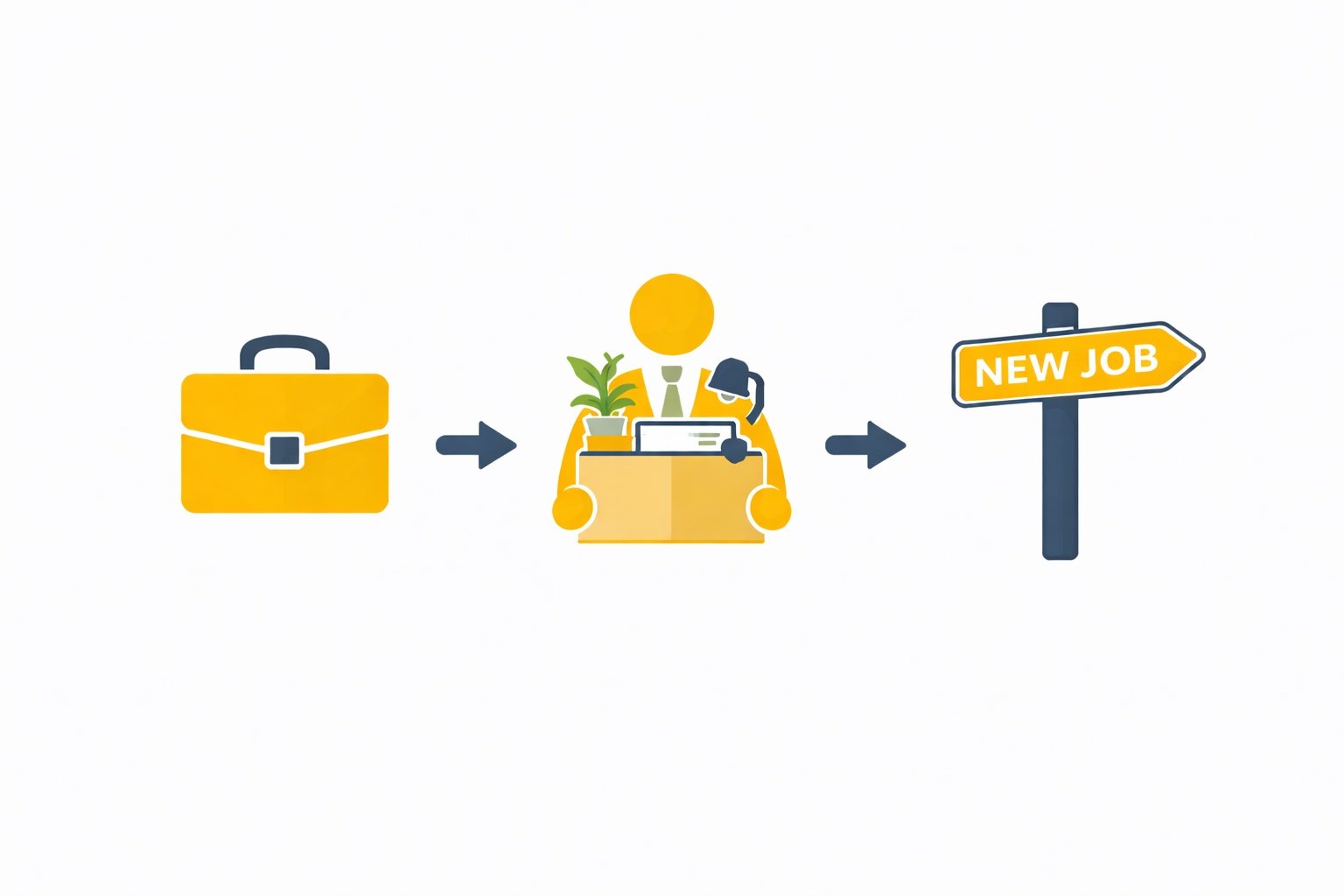
This situation commonly occurs when:
- A director closes their limited company and moves into employment.
- A business owner sells their company.
- A contractor moves to a different company structure.
- A company stops trading or becomes dormant.
Because relevant life cover is tied to employment, the policy cannot normally continue in the same form once that relationship ends.
The policy is linked to your employment with the company
Relevant life policies are structured around the employer–employee (or director–company) relationship.
The company pays the premiums as a business expense, and the policy must meet HMRC’s rules for excepted group life policies. See our guide explaining HMRC rules for relevant life insurance.
When that relationship ends through resignation, redundancy, retirement, company closure, or the business becoming dormant, the policy can no longer operate in the same way.
In many cases the cover will simply end unless arrangements are made to continue or transfer the policy.
If you also hold personal life insurance, see relevant life vs personal life insurance for how the two types of cover differ.
Option 1: Cancel the policy (usually no penalty)
The simplest option is to cancel the policy.
The company informs the insurer, premiums stop immediately, and there is usually no surrender value or cancellation charge. Relevant life policies are pure protection policies with no investment element.
Although this creates a clean break, it also means you will no longer have life insurance in place.
If your health has changed since the policy was first arranged, a new policy may be more expensive because it will require fresh underwriting.
Option 2: Convert the policy to personal cover
Many insurers include what is known as a continuation option or conversion benefit.
This allows you to take over the policy personally when you leave the company. Premiums then switch from being paid by the business to being paid by you.
Key points to consider:
- No new medical underwriting in many cases, meaning you keep the existing premium and terms.
- Time limits apply. Most insurers require conversion within 30–90 days of leaving the company.
- Trust arrangements remain. The policy normally stays written in trust, although trustees may need to update documentation.
- The tax advantages end. Once the policy becomes personal, corporation tax relief no longer applies.
This option can be especially valuable if your health has changed since the policy was originally set up.
Option 3: Transfer the policy to a new employer
If you move to another limited company as an employee or director, it may be possible for the new employer to take over the policy.
In that situation the plan continues as a relevant life policy rather than converting to personal cover.
The process usually involves:
- The new company becoming the policy owner and payer
- The trustees assigning the policy to the new employer
- The insurer approving the transfer
Not all insurers allow transfers between employers, so it is important to confirm the position with your provider or adviser.
What if the company is closed or made dormant?
If your limited company is wound up, sold, or left dormant, the policy normally cannot continue to be funded by the company.
In that case the cover will usually end unless you convert it to personal insurance or arrange for a new employer to take it over.
Many directors convert the policy to personal cover at this stage so they do not lose protection entirely.
Planning ahead is important, as timing can affect trust documentation and any policy assignments that need to be completed.
Why it’s important to review cover when circumstances change
When people change jobs or restructure their business, life insurance is often overlooked. However, relevant life policies can provide a significant level of protection.
For many directors the sum assured runs into several hundred thousand pounds, meaning that allowing the policy to lapse could leave a large protection gap.
Reviewing your cover when your employment changes ensures your family remains financially protected.
If you are unsure whether relevant life insurance is still appropriate, see our guide explaining how relevant life insurance is set up and when it works best.
You can also read MoneyHelper’s overview of how life insurance works for a general explanation of life cover.
Practical steps to take
- Review your policy schedule and trust deed.
- Contact your insurance broker or financial adviser as early as possible.
- Check whether your new employer offers death-in-service benefits.
- Consider additional protection such as critical illness cover or income protection.
Relevant life insurance is flexible, but changes in employment often require adjustments to keep the protection in place.