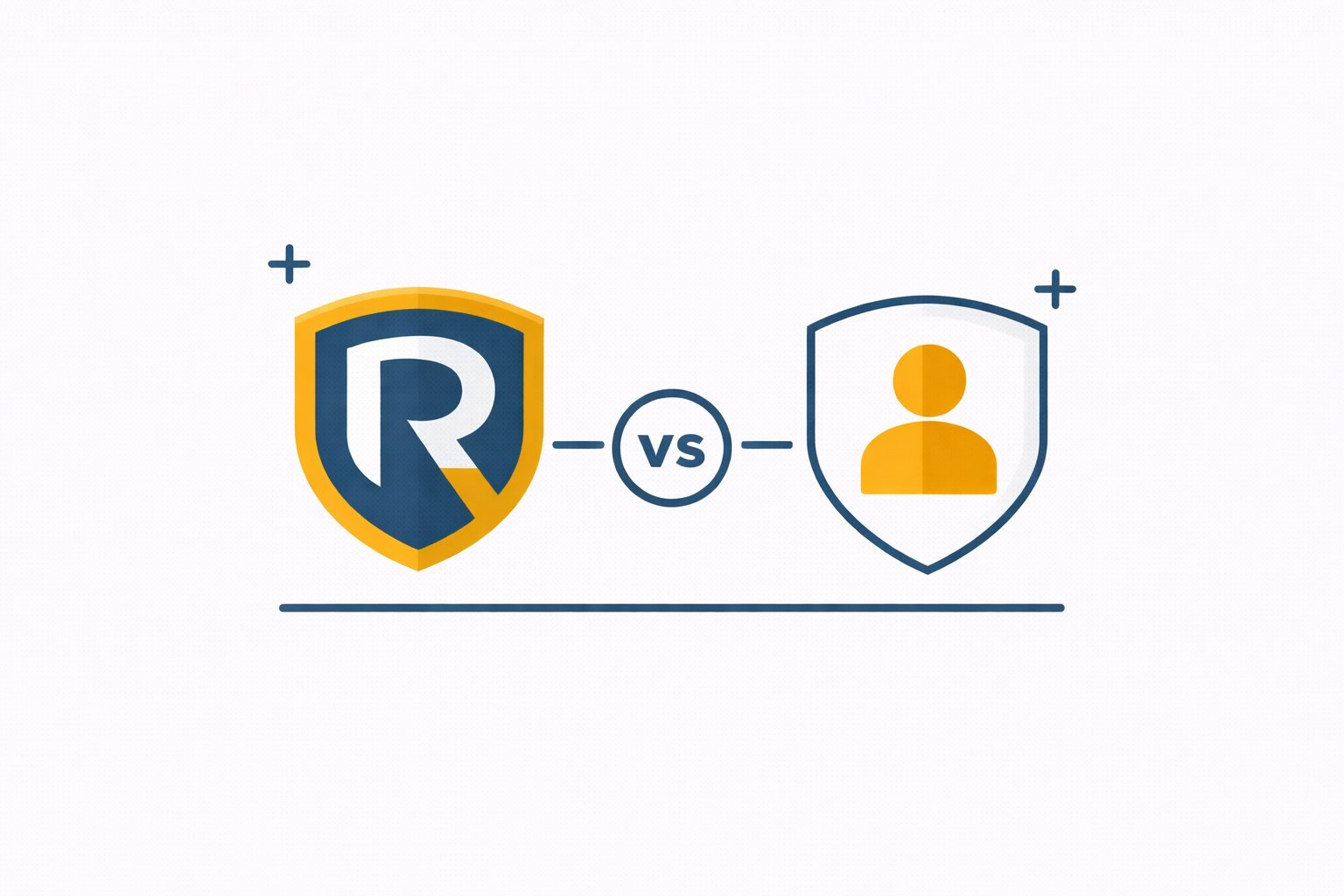
Relevant life insurance vs personal life insurance
Both relevant life insurance and personal life insurance provide financial protection if you die during the policy term, but they are set up and paid for in very different ways.
A relevant life insurance policy is a type of life cover arranged by a UK limited company for an employee or director. The company usually pays the premiums, and the policy is normally written in trust for the individual’s beneficiaries.
Relevant life insurance and personal life insurance both provide financial protection if you die during the policy term, but they are designed for different situations.
A personal life insurance policy is arranged and paid for by an individual using their after-tax income. By contrast, a relevant life policy is arranged by a limited company for an employee or director, with premiums usually paid by the business.
This structure means relevant life insurance can often be significantly more tax efficient for company directors.
Relevant life vs personal life insurance: key differences
| Feature | Relevant life insurance | Personal life insurance |
|---|---|---|
| Who takes out the policy | The limited company | The individual |
| Who pays the premiums | The company | The individual |
| Tax treatment | Often qualifies for Corporation Tax relief | No tax relief on premiums |
| Benefit in kind | Usually no BIK charge | Not applicable |
| Typical users | Company directors and employees | Individuals and families |
How personal life insurance works
With personal life insurance, you take out the policy in your own name and pay the premiums from your after-tax income.
The cover is personal to you and remains in place as long as you continue paying the premiums. If you die during the policy term, the payout goes to your chosen beneficiaries.
Because the premiums are paid personally, there is normally no tax relief available on the payments.
How relevant life insurance works
With a relevant life policy, the cover is arranged by your limited company for your benefit as an employee or director.
The company usually pays the premiums, and the policy is normally written in trust so the payout goes directly to your beneficiaries.
For many directors this structure can be more tax efficient than paying for life insurance personally. Premiums may qualify as a business expense for Corporation Tax purposes, although the final treatment depends on HMRC rules.
If you are new to the concept, see our guide explaining what relevant life insurance is and how it works.
Tax treatment differences
The biggest difference between relevant life insurance and personal life insurance is usually the tax treatment.
With personal life insurance, premiums are paid from income that has already been taxed. There is normally no tax relief available.
With relevant life insurance, premiums are paid by the company and may qualify as an allowable business expense. In most cases there is also no benefit-in-kind charge on the policy.
You can read more about this in our detailed guide to the tax benefits of relevant life insurance.
Trusts and policy ownership
Relevant life policies are normally written in trust. This means the payout goes directly to the beneficiaries rather than forming part of the deceased’s estate.
This structure can help avoid delays and may also reduce potential inheritance tax exposure. Our guide explains how relevant life insurance trusts work and why they are usually used.
Which option is right for you?
If you run a limited company, relevant life insurance is often worth considering because of the potential tax advantages and the ability for the company to pay the premiums.
For individuals who are not operating through a limited company, a standard personal life insurance policy is normally the only option.
To understand whether a relevant life policy may qualify as a business expense, see our guide on whether relevant life insurance counts as a business expense.